

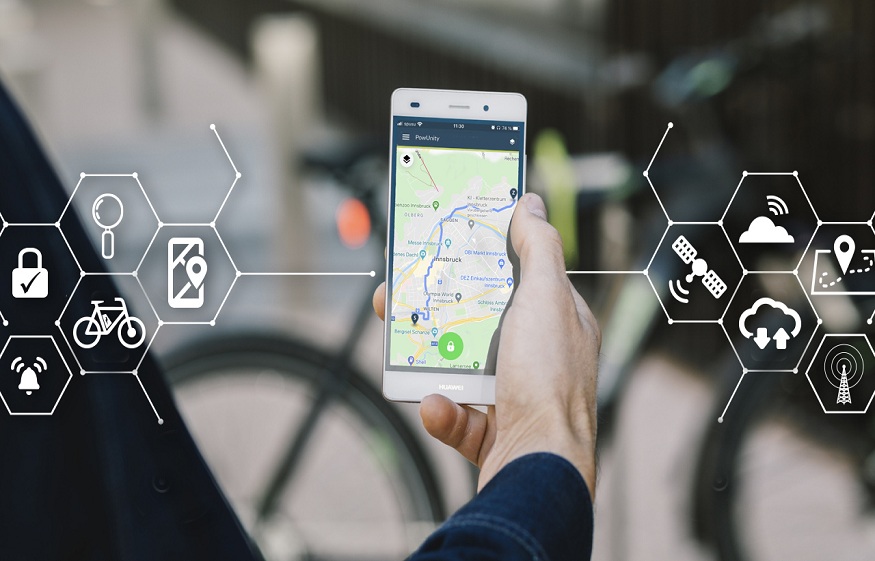
Automotive tracking systems for fleet management help businesses monitor vehicle locations, improve driver safety, reduce operating expenses, and manage daily transportation activities more efficiently. By combining GPS technology, wireless communication, and fleet management software, these systems provide real-time visibility into vehicle movement, trip history, and fleet performance.
For businesses operating delivery vans, commercial trucks, service vehicles, or company cars, automotive tracking systems can simplify fleet operations and support better decision-making. Fleet managers can use tracking data to identify inefficient routes, reduce unnecessary idling, monitor vehicle utilization, and respond quickly to unexpected delays.
Key Highlights
- Real-time vehicle tracking improves fleet visibility and coordination.
- Route optimization helps reduce unnecessary mileage and fuel consumption.
- Driver behavior monitoring supports safer driving practices.
- Vehicle utilization reports help businesses manage fleet resources effectively.
- Geofencing and location alerts support vehicle security.
- Maintenance reminders help reduce unexpected breakdowns and downtime.
- Automated reports simplify fleet performance analysis and recordkeeping.
What Are Automotive Tracking Systems for Fleet Management?
Automotive tracking systems are technology solutions that use GPS receivers, communication networks, and software to monitor the location and movement of vehicles. Fleet management systems use this information to help businesses coordinate vehicles, analyze trips, monitor driving behavior, and improve operational efficiency.
Depending on the device and software, these systems may also collect information about vehicle speed, ignition activity, mileage, engine hours, and diagnostic data.
A typical automotive tracking system includes three main components:
- GPS tracking device: Receives satellite signals and calculates the vehicle’s location.
- Communication network: Transmits tracking data through cellular or other supported networks.
- Fleet management software: Displays vehicle locations, trip histories, alerts, and reports through a centralized dashboard.
Together, these components give fleet managers a clearer picture of how vehicles are being used and where operational improvements may be possible
Read More: Top 5 Things to Look for When Choosing a Duramax Diesel Engine Dealer
10 Benefits of Automotive Tracking Systems for Fleet Management
1. Real-Time Vehicle Tracking and Improved Fleet Visibility
One of the biggest benefits of automotive tracking systems is real-time vehicle visibility. Fleet managers can view the locations of tracked vehicles on a digital map instead of relying entirely on driver phone calls or manual updates.
This visibility is especially valuable for businesses managing multiple vehicles across different locations.
For example, a delivery company may have several drivers operating across a large service area. With a fleet tracking dashboard, dispatchers can identify which vehicles are nearby, check their progress, and make more informed decisions when assigning new deliveries.
Real-time tracking can help businesses:
- Locate vehicles quickly.
- Monitor vehicle movement throughout the working day.
- Identify unexpected stops or route deviations.
- Coordinate dispatch activities more effectively.
- Provide customers with more accurate arrival estimates.
Why it matters: Better visibility helps fleet managers respond to changing conditions and maintain greater control over daily operations.
2. Reduced Fuel Consumption and Operating Costs
Fuel is a major operating expense for many commercial fleets. Unnecessary mileage, excessive idling, poor route planning, and unauthorized vehicle use can increase fuel consumption.
Automotive tracking systems help fleet managers identify these inefficiencies through location data, trip reports, and available vehicle activity information.
For example, a fleet manager may notice that a vehicle regularly takes a longer route between two service locations. Reviewing the trip history may reveal an opportunity to adjust the route and reduce unnecessary travel.
Tracking data can also help identify vehicles that spend excessive time idling while stationary.
Businesses can use these insights to:
- Reduce unnecessary trips.
- Identify excessive idling.
- Improve route planning.
- Monitor vehicle usage outside working hours.
- Compare fuel-related performance across vehicles.
Actual fuel savings depend on fleet size, existing operating practices, vehicle type, and how effectively managers act on the data.
Why it matters: Identifying avoidable fuel consumption helps businesses control transportation expenses without necessarily expanding their fleet.
3. Better Route Planning and Dispatch Efficiency
Efficient route planning helps businesses complete more jobs within available working hours. Automotive tracking systems support this process by providing information about vehicle locations, travel history, and journey progress.
Fleet managers can use this information to understand common travel patterns, identify recurring delays, and improve future dispatch decisions.
Consider a field service company with technicians attending appointments across several locations. If a new service request arrives, the dispatcher can check which tracked vehicle is closest to the customer and assign the job accordingly, subject to technician availability and skill requirements.
Route and dispatch improvements may help businesses:
- Reduce unnecessary travel distances.
- Assign nearby vehicles to new jobs.
- Respond to schedule changes.
- Improve delivery coordination.
- Reduce delays caused by inefficient dispatching.
Some advanced platforms also integrate mapping, traffic information, and route optimization tools. These capabilities vary by provider and may require separate software or subscriptions.
Why it matters: Better dispatch decisions can improve productivity, reduce travel time, and help businesses serve more customers with existing resources.
4. Improved Driver Safety and Accountability
Driver behavior has a direct impact on fleet safety, vehicle wear, and operating expenses. Some automotive tracking systems can monitor driving indicators such as speeding, harsh braking, rapid acceleration, and excessive idling.
These reports help fleet managers identify patterns that may require additional training or changes to driving practices.
For example, if a vehicle repeatedly records harsh braking events, a manager can review the available information, consider road and traffic conditions, and determine whether driver coaching is appropriate.
Tracking systems can support safer fleet operations by helping businesses:
- Identify potentially risky driving patterns.
- Provide evidence-based driver coaching.
- Encourage compliance with company driving policies.
- Review trip events following reported incidents.
- Recognize improvements in driving behavior over time.
Tracking data should be interpreted in context. A single harsh braking event may reflect an appropriate response to a road hazard rather than unsafe driving.
Businesses should also establish transparent vehicle monitoring policies and comply with applicable employee privacy requirements.
Why it matters: Consistent monitoring and appropriate driver coaching can support a stronger safety culture and help reduce avoidable driving risks.
5. Increased Vehicle Security and Theft Prevention
Commercial vehicles represent a significant investment. Theft, unauthorized use, and the loss of valuable vehicles can disrupt business operations and create substantial replacement costs.
Automotive tracking systems can improve vehicle security by allowing authorized users to check locations and receive alerts when supported conditions occur.
For example, a fleet manager may configure a geofence around a company depot. If a tracked vehicle leaves the designated area outside approved operating hours, the system may generate an alert.
Depending on the device and software, security features may include:
- Live vehicle location monitoring.
- Geofencing and boundary alerts.
- Movement alerts outside working hours.
- Trip history for investigating unusual activity.
- Location information to support vehicle recovery.
GPS tracking does not physically prevent theft or guarantee vehicle recovery. Its effectiveness depends on device installation, power availability, communication coverage, alert configuration, and how quickly the business responds.
Why it matters: Faster access to location information can help businesses investigate suspicious vehicle movement and respond more effectively to potential theft.
6. Reduced Vehicle Downtime Through Better Maintenance Planning
Unexpected breakdowns can delay deliveries, interrupt service appointments, and increase repair expenses. Automotive tracking systems can help businesses improve maintenance planning when they provide mileage, engine-hour, or diagnostic information.
Fleet managers can use this information alongside maintenance schedules to identify vehicles approaching service intervals.
For example, a commercial vehicle approaching its scheduled mileage limit can be flagged for inspection before its next major assignment. This reduces dependence on manual odometer checks and makes maintenance planning easier to coordinate.
Depending on system capabilities, maintenance-related benefits may include:
- Mileage-based service reminders.
- Engine-hour tracking for selected equipment and vehicles.
- Diagnostic alerts through supported vehicle integrations.
- Maintenance history and reporting.
- Better coordination of service appointments.
Not every GPS tracking device includes engine diagnostics or maintenance management. Businesses should confirm these capabilities before choosing a system.
Why it matters: Better maintenance visibility helps fleet managers plan servicing, reduce avoidable interruptions, and keep vehicles available for scheduled work.
7. Better Vehicle Utilization and Fleet Productivity
Owning or leasing vehicles involves ongoing expenses, including insurance, maintenance, registration, and depreciation. Businesses need to understand whether their existing vehicles are being used effectively.
Automotive tracking systems provide trip histories, operating hours, stop durations, and other information that helps managers evaluate vehicle utilization.
For example, a company may discover that several vehicles regularly remain unused while other vehicles handle most customer assignments. This information can support better job allocation and scheduling.
Fleet managers can use tracking data to:
- Identify underused vehicles.
- Review daily vehicle activity.
- Compare utilization across locations.
- Reduce unnecessary vehicle assignments.
- Evaluate whether additional vehicles are genuinely needed.
Tracking information should be considered alongside demand forecasts, driver availability, vehicle capacity, and operational requirements.
Why it matters: Better utilization can help businesses get more value from their existing fleet and make informed decisions about future vehicle purchases or leases.
8. Improved Customer Service and Delivery Reliability
Customers increasingly expect businesses to provide reliable service appointments and timely deliveries. Delays caused by traffic, vehicle breakdowns, or scheduling changes can affect customer satisfaction.
Automotive tracking systems help businesses monitor journey progress and communicate more accurate updates.
For example, a distributor can check whether a delivery truck has left the warehouse, estimate its progress using available route information, and inform the customer if the delivery schedule changes.
Tracking systems can support customer service by helping businesses:
- Provide better arrival estimates.
- Respond to delivery status enquiries.
- Identify delays earlier.
- Coordinate changes to delivery schedules.
- Review trip records when investigating service complaints.
The accuracy of arrival estimates depends on the tracking platform, traffic information, route conditions, and the availability of current data.
Why it matters: Better visibility into vehicle movement helps businesses communicate more clearly, manage customer expectations, and improve service coordination.
9. Simplified Reporting and More Informed Decision-Making
Fleet managers need reliable information to evaluate performance and identify areas for improvement. Reviewing paper logs, spreadsheets, and individual driver updates can be time-consuming, especially when managing a large fleet.
Automotive tracking software can consolidate vehicle activity into reports and dashboards.
Depending on the platform, reports may cover:
- Distance travelled.
- Trip duration and route history.
- Vehicle stops and idle time.
- Driver behavior events.
- Vehicle utilization.
- Geofence activity.
- Available maintenance or diagnostic information.
These reports help managers compare performance across vehicles, identify recurring operational problems, and assess whether changes are producing improvements.
For example, a fleet manager can compare route histories before and after introducing a new dispatch process to determine whether unnecessary mileage has decreased.
Tracking reports can also support internal reviews and recordkeeping. However, businesses should confirm whether a particular platform meets their regulatory reporting requirements before relying on it for formal compliance.
Why it matters: Consistent reporting replaces guesswork with useful operational evidence and supports more informed fleet management decisions.
10. Greater Scalability as the Business Grows
Fleet management becomes more complex as a business adds vehicles, drivers, service areas, or delivery locations. Processes that work for a small fleet may become difficult to maintain as the number of vehicles increases.
Automotive tracking systems can provide a centralized way to monitor a growing fleet without relying exclusively on manual updates.
A business can start by tracking a small number of vehicles and expand its deployment as operational needs change, provided the selected platform supports the required scale.
Scalable fleet tracking solutions can help businesses:
- Monitor vehicles across multiple locations.
- Standardize reporting across teams.
- Apply consistent operating policies.
- Manage access for different users.
- Integrate tracking data with other business systems where supported.
When evaluating scalability, businesses should consider subscription costs, device compatibility, user permissions, data retention, integrations, and customer support.
Why it matters: A suitable tracking platform can help businesses maintain operational visibility as their fleets and service requirements expand.
How to Choose the Right Automotive Tracking System for Your Fleet
The right system depends on the type of vehicles you operate, the problems you want to solve, and the information your managers need.
Before selecting a solution, evaluate the following features.
| Feature | What to Look For | Main Benefit |
| Real-time tracking | Frequent location updates and map visibility | Improved fleet visibility |
| Route history | Detailed trip and stop records | Better route analysis |
| Geofencing | Configurable entry and exit alerts | Improved vehicle security |
| Driver behavior monitoring | Supported speeding and driving-event reports | Safer driving practices |
| Maintenance information | Mileage, engine hours, or diagnostic integrations | Better maintenance planning |
| Reporting | Exportable reports and configurable dashboards | Data-driven decisions |
| Mobile access | Compatible smartphone or tablet interface | Easier monitoring on the go |
| Scalability | Support for additional vehicles and users | Easier fleet expansion |
| Integration options | Compatibility with existing business software | More connected workflows |
Businesses should also confirm whether the system requires hardwired installation, an OBD-II connection, or a battery-powered tracking device. Installation requirements vary by vehicle and product.
Questions to Ask Before Buying
- Does the system provide real-time updates or store location data for later review?
- Which vehicle and driver activity metrics are included?
- Does the platform support the number of vehicles we currently operate?
- Are installation, hardware, cellular connectivity, and software included in the quoted price?
- Can the system integrate with our existing fleet or dispatch software?
- What data privacy, security, and access controls are available?
- What support is provided if a tracking device stops transmitting?
Answering these questions helps businesses choose a solution based on operational needs rather than features they may never use.
How Can Businesses Measure the ROI of Automotive Tracking Systems?
The return on investment (ROI) of an automotive tracking system depends on the savings and operational improvements it delivers compared with its total cost.
Businesses can evaluate performance by measuring key indicators before and after implementation.
| Metric | What to Measure |
| Fuel expenses | Fuel cost per mile or kilometre |
| Vehicle utilization | Productive operating time compared with available time |
| Idle time | Time spent idling across the fleet |
| Maintenance costs | Scheduled and unscheduled repair expenses |
| Fleet productivity | Completed deliveries or jobs per vehicle |
| Service reliability | On-time delivery or appointment rate |
| Security incidents | Unauthorized use and vehicle theft incidents |
For a simple financial assessment:
Net benefit = Total measurable savings − Total tracking system costs
ROI (%) = (Net benefit ÷ Total tracking system costs) × 100
Include hardware, installation, subscriptions, connectivity, training, and maintenance when calculating total costs. Use actual business data rather than assuming every fleet will achieve the same savings.
Reviewing these metrics regularly helps fleet managers determine whether the system is delivering meaningful operational value.
Frequently Asked Questions About Automotive Tracking Systems for Fleet Management
What are automotive tracking systems used for?
Automotive tracking systems help businesses monitor vehicle locations, review trip histories, improve route planning, track driving behavior, and manage fleet operations. Depending on the system, they may also support maintenance monitoring, security alerts, and vehicle utilization reporting.
How do automotive tracking systems improve fleet management?
They provide centralized visibility into vehicle movement and activity. Fleet managers can use this information to coordinate dispatch, identify inefficient routes, reduce unnecessary idling, monitor driving patterns, and make better decisions about vehicle usage.
Can automotive tracking systems reduce fuel costs?
Yes. Tracking systems can help identify unnecessary mileage, excessive idling, and inefficient routes. Businesses can use these insights to reduce avoidable fuel consumption, although the actual savings depend on operating conditions and how consistently improvements are implemented.
Do automotive tracking systems work in real time?
Many systems provide real-time or near-real-time tracking through GPS receivers and cellular or other supported communication networks. Update frequency and availability depend on the device, software configuration, network coverage, and subscription.
Can automotive tracking systems monitor driver behavior?
Some systems monitor driving events such as speeding, harsh braking, rapid acceleration, and excessive idling. Fleet managers can use these reports to identify coaching opportunities and support safer driving policies.
Are automotive tracking systems suitable for small businesses?
Yes. Small businesses with delivery vehicles, service vans, or company cars can benefit from improved vehicle visibility and trip reporting. The best option depends on fleet size, budget, required features, and expected growth.
What is the difference between GPS tracking and fleet management software?
GPS tracking determines and reports vehicle location. Fleet management software may use GPS data alongside driver activity, maintenance records, dispatch information, and performance reports to support broader fleet operations. Some products combine both capabilities.
How much do automotive tracking systems cost?
Costs vary by hardware, installation, subscription model, cellular connectivity, and software features. Businesses should request a full cost breakdown that includes recurring charges and any additional fees for advanced reporting, integrations, or support.
Conclusion
Automotive tracking systems have become valuable tools for businesses that need better control over vehicle fleets and transportation operations. From real-time location monitoring and route optimization to driver safety, vehicle security, maintenance planning, and performance reporting, these systems help fleet managers identify inefficiencies and make more informed decisions.
Read More: Powering Your Outdoor Living: The Essentials of Home Generators for Your Backyard
The greatest benefits come when businesses use tracking data to improve everyday processes rather than simply monitor vehicle locations. Choosing a system with the right features, reliable reporting, suitable integrations, and room to grow can help organizations build a more efficient and manageable fleet.
Tracker Systems can be a starting point for businesses evaluating vehicle tracking solutions to improve fleet visibility and operational control. By assessing fleet requirements and identifying the most important performance goals, businesses can determine which tracking capabilities best support their long-term fleet management strategy.